
◷ 2 minutes reading time (342 words)
The Presence That Doesn't Push: Reading the Adult's Role
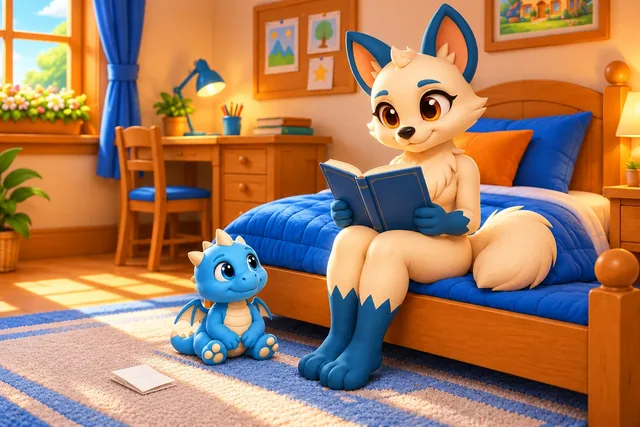
In The Presence That Doesn’t Push, a folded drawing stays folded. Its place in the room and the actions around it give the reader a quiet scene to explore.
Look at what the adult offers and how Quzii responds. Small actions can be worth a second reading.
Notice what Luna actually does
In the entry, Quzii sets a folded paper beside Bronto. Luna sees the arrangement and offers a story rather than opening the drawing.
Her spoken offer gives Quzii something clear to respond to. He can accept a story without explaining the paper. The choice is connected to what she can offer in that moment, rather than to a demand for disclosure.
On rereading, look for the practical difference between being present and taking over. Who moves an object? Who speaks? What remains untouched? Those questions keep a discussion attached to the written scene.
Leave the unseen drawing unseen
It may be tempting to ask what the drawing “really means”. The scene gives a few colours but does not explain the drawing’s full meaning. You can discuss what its colours or placement suggest while keeping those ideas separate from the actions that are written.
The same distinction matters when reading a real person's artwork. A drawing, a colour choice or a folded page does not give an observer a reliable account of someone's private experience.
If a child makes something after this reading, you can ask whether they want to show it. An answer of no does not need to become the start of an interrogation.
Keep the reading separate from a universal rule
One reader may notice the space around the drawing; another may notice Luna’s invitation. Return to the lines that caught your attention.
For a shared discussion, try one question about the page: “What does Luna offer that Quzii can answer?” Then return to the line in the story. You can leave the drawing folded in the story and leave the reader's personal life outside the discussion.
Read next
Related Posts
 Reading The Sorry That Didn't Feel Right: What Happens After the Apology?Bronto’s Reflections
 When a Toy Sits Between Two CharactersBronto’s Reflections
 What the Closed Drawer Leaves UnsaidBronto’s Reflections
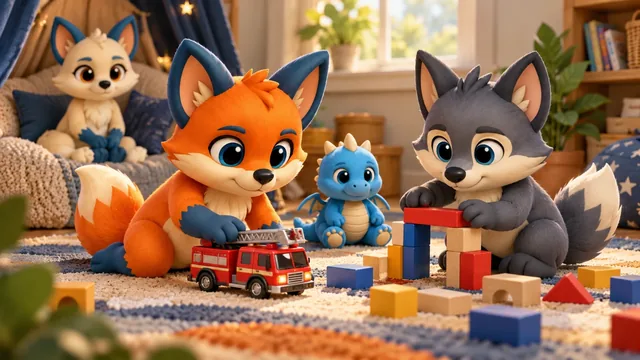 The Game We Made TogetherBronto’s Reflections
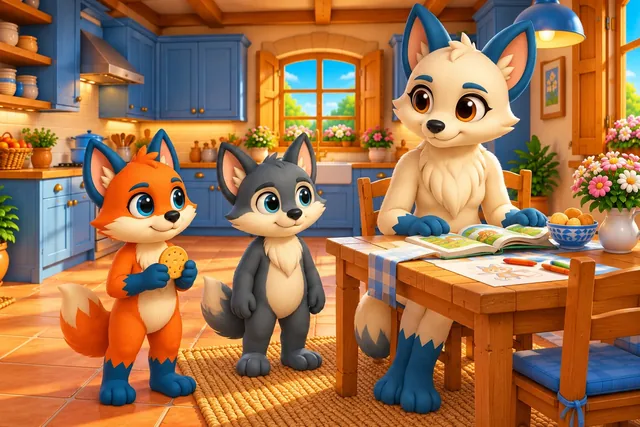 The ‘Sorry’ That Didn’t Feel RightBronto’s Reflections
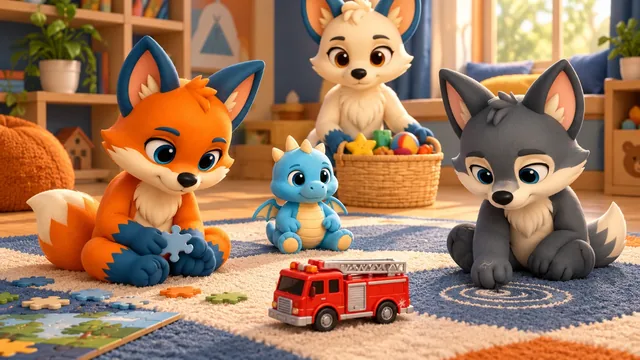 The Toy Sat in the MiddleBronto’s Reflections