
◷ 2 minutes reading time (395 words)
A Story-Inspired Activity With Just Paper and Pencils
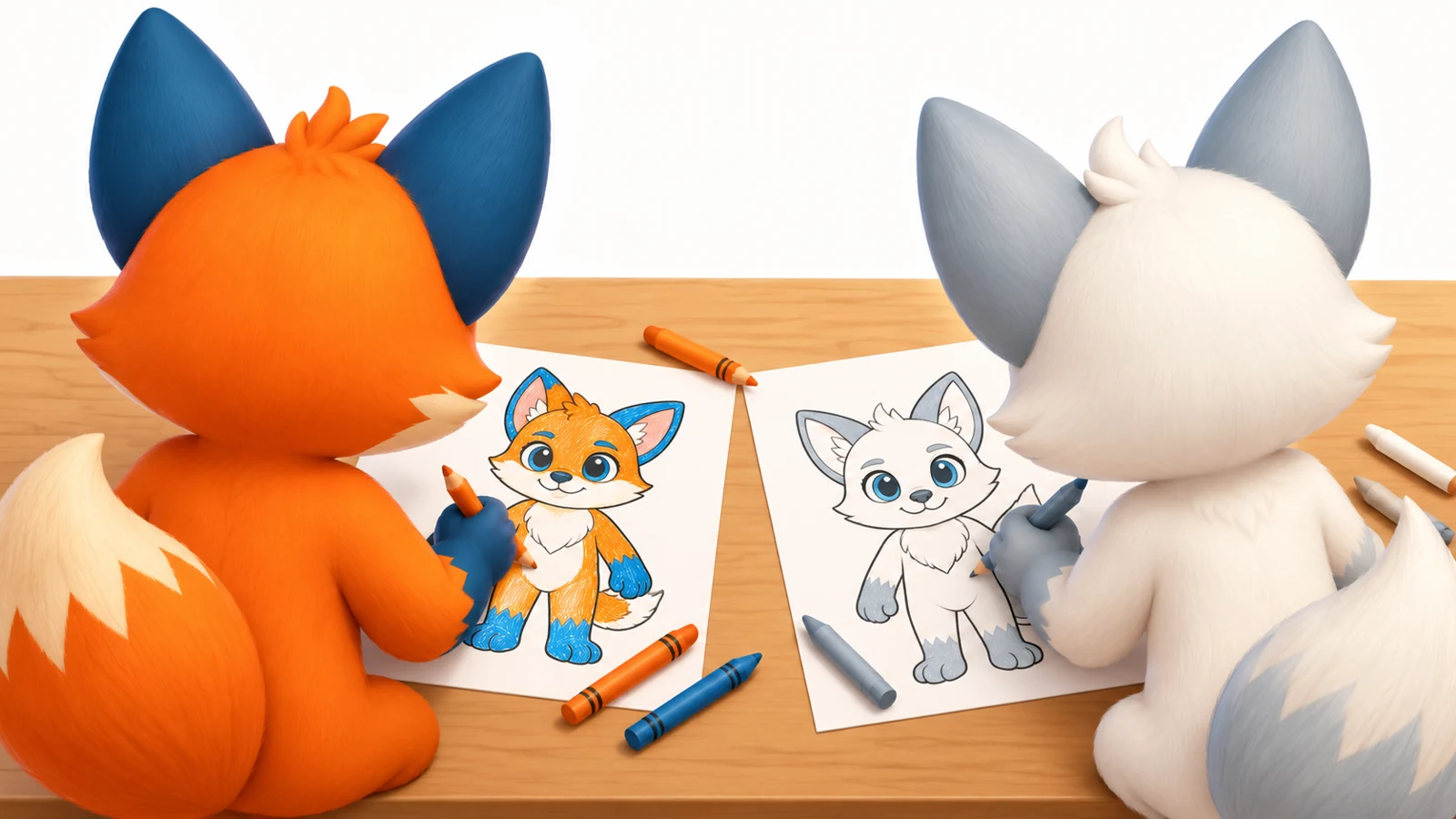
A sheet of paper and a pencil can be enough for a response to a story. You do not need a printed worksheet, a full set of art materials or a model answer.
This activity begins with one object from a story the reader has already heard. The finished page can remain a small drawing or a few words.
Choose the object together
Return to a specific paragraph or picture. Ask whether there is an object the reader would like to look at again: a cup, a stone, a window or another detail actually present in the chosen piece.
Keep the story open so the object can be found without a memory test. If the reader wants you to choose, offer one simple suggestion and leave room for a different answer.
Make a space around it
Draw the object, write its name or leave a small mark to represent it. Then ask, “Would you like to add anything around it?”
The reader might add a path, a place for it to stand or a few words from the story. They may also want to leave the object on its own. You do not need to fill the empty part of the sheet.
An adult can work on a separate page if they want to join in. That keeps the adult's drawing available as a contribution without turning it into something the reader must copy.
Keep story details and additions clear
If a new feature is added, describe it as part of the maker's picture. A bridge drawn beside the object can belong to their response even when the original story does not mention one.
Ask before adding a label or changing a mark. If you are writing words dictated by the reader, check that you have recorded them accurately.
Finish when the maker is ready
The activity can end after one mark. It can also continue into a larger picture if the maker wants and the available time allows it.
Before packing away, ask what should happen to the page. Keeping, displaying, photographing and sharing it are separate choices. A picture made after a story does not have to become evidence of what the reader understood or felt.
Put the pencil away, leave the page where agreed and keep the original story available for another reading.
Read next
Related Posts
 Make Space for Two Different BuildsPlay & Learn Tips
 Take Turns Building a Place for the StoryPlay & Learn Tips
 A Shared Drawing Without a Shared AnswerPlay & Learn Tips
 Build It Together, With Fewer RulesPlay & Learn Tips
 Build It Together: Re-Create After ConflictPlay & Learn Tips
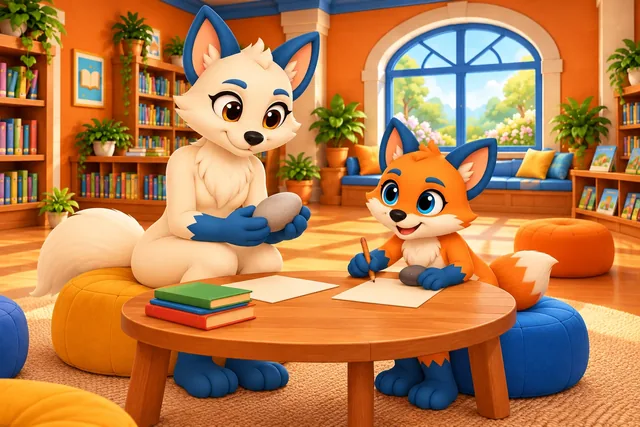 A Story-Object Activity With Room to ChoosePlay & Learn Tips