
◷ 2 minutes reading time (375 words)
Make Space for Two Different Builds
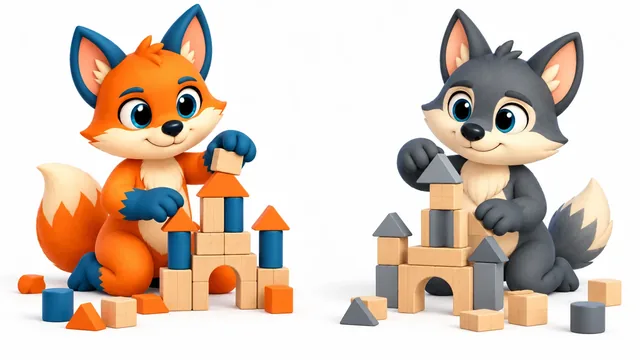
Two people can build from the same story detail and make different things. One model may be wide and low; another may use only three pieces. The activity does not need a winning version.
This invitation works with a place or object that is actually described in a chosen story. Read the relevant passage first and keep the text available.
Give each builder a clear space
Put out suitable blocks, large cardboard pieces or drawing materials. Check that the materials fit the participants' ages and needs, including the risk posed by small parts.
Make two spaces on the table or floor. Give each person room to build without having to protect their pieces from the other model. The spaces can be close enough for conversation without becoming one shared construction.
Choose one detail from the text as the starting point. “A place beside the path” leaves more room for interpretation than an adult's finished example that everyone is expected to copy.
Describe a difference without ranking it
When the makers want to look at each other's work, begin with what is visible: “Your path bends; mine goes straight.” Avoid replacing a description with a score such as more realistic, more advanced or better.
If one model contains an invented feature, call it the maker's addition. A personal response does not need to become part of the story's official setting.
The makers may want to ask each other a question, but they do not have to explain every piece. Ask before touching or changing someone else's work.
Make revisions optional
Seeing another version may give a builder a new idea. It may not. Do not require everyone to change their model to show that they listened to the discussion.
Someone can decide to draw instead, remove a piece or finish earlier. Those choices do not need to become evidence about their personality or feelings.
Finish with an agreed practical step
Ask whether the models should stay for a little while, be photographed with permission or be taken apart. Give each maker a chance to deal with their own construction where practical.
Leave the models where agreed, or put the pieces away so they are ready for another session.
Read next
Related Posts
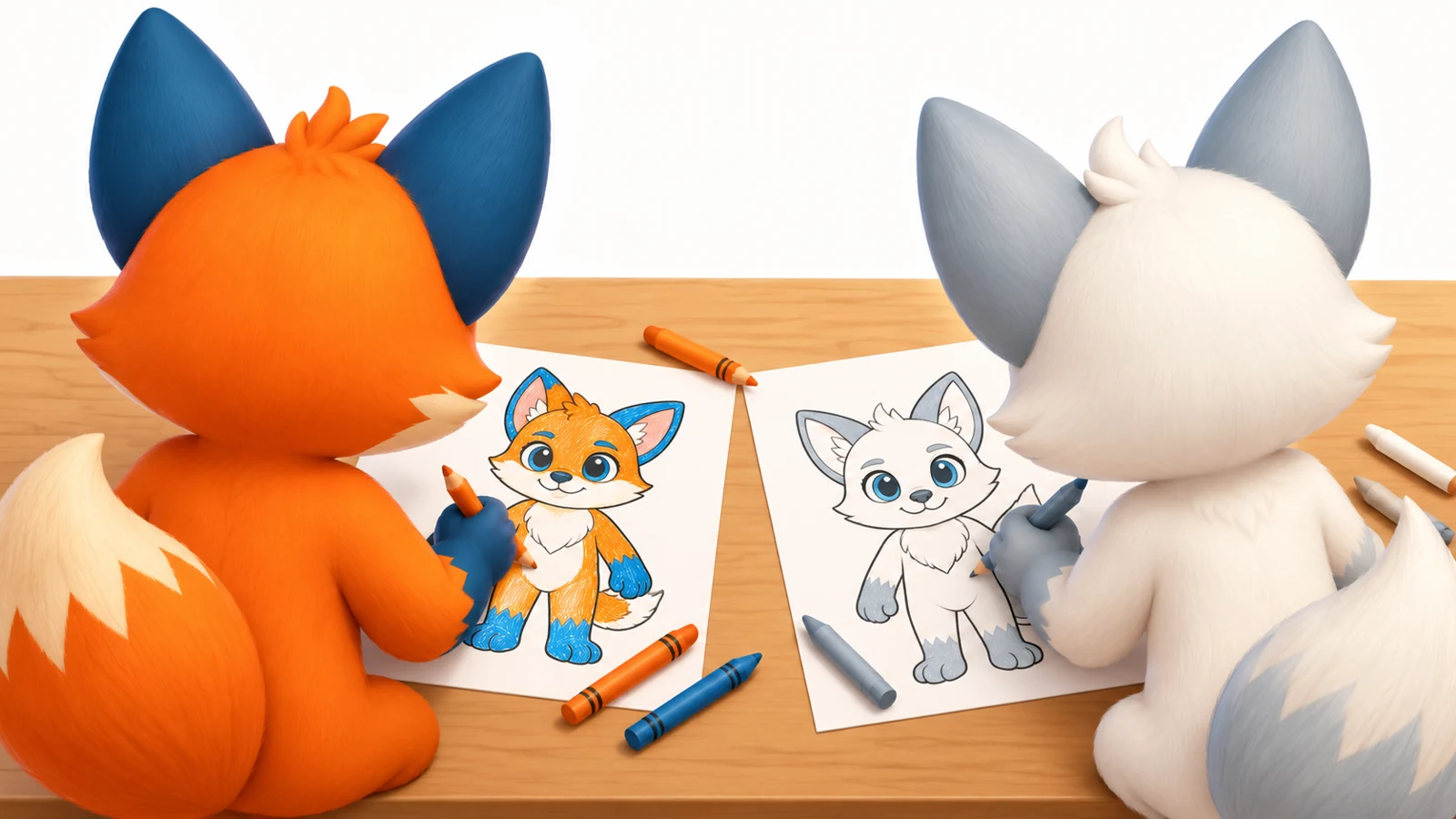 A Story-Inspired Activity With Just Paper and PencilsPlay & Learn Tips
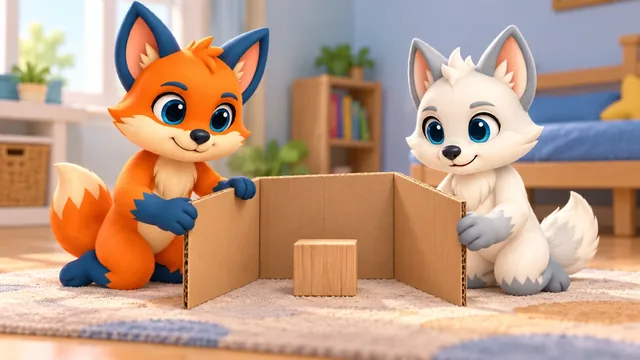 Take Turns Building a Place for the StoryPlay & Learn Tips
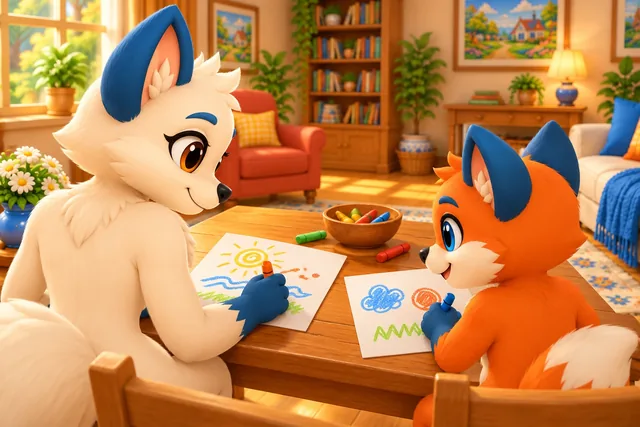 A Shared Drawing Without a Shared AnswerPlay & Learn Tips
 Build It Together, With Fewer RulesPlay & Learn Tips
 Build It Together: Re-Create After ConflictPlay & Learn Tips
 A Story-Object Activity With Room to ChoosePlay & Learn Tips